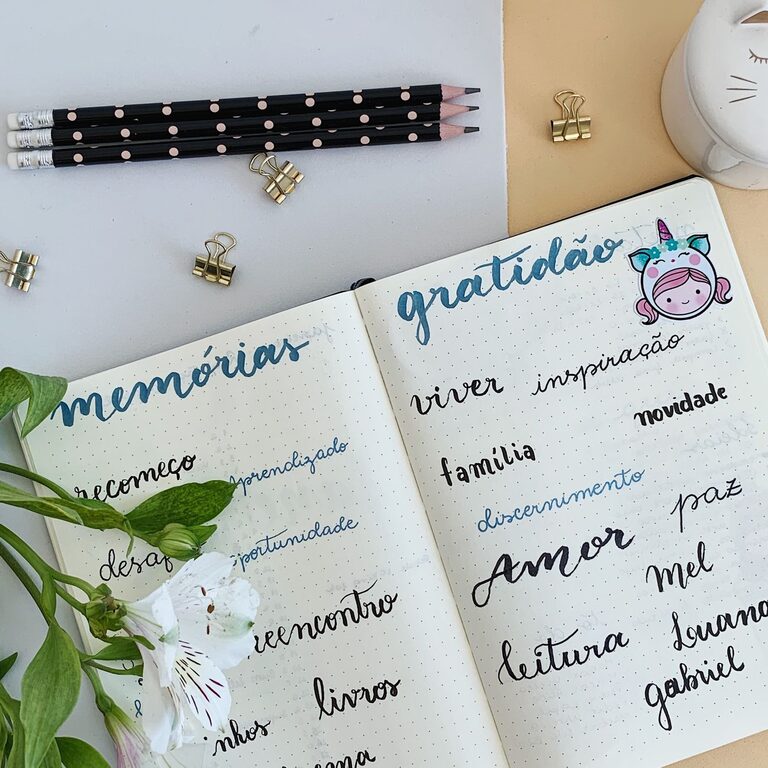
Gratitude journaling is a powerful and accessible way to improve your mental and emotional wellbeing. By taking time to regularly note what you’re thankful for, you can shift your mindset toward positivity and increase your overall happiness. If you’re new to this practice, starting a gratitude journal may seem daunting, but it’s easier than you think. This guide will walk you through everything you need to know to get started and maintain a meaningful gratitude routine.
What Is a Gratitude Journal?
A gratitude journal is a personal diary where you regularly write down things you feel grateful for. These can be big or small moments, people, experiences, or even simple daily comforts. The goal is to focus your attention on the positive aspects of your life, which helps build a habit of appreciation and reduces negative thinking.
Benefits of Keeping a Gratitude Journal
Numerous studies and personal accounts suggest that gratitude journaling offers several benefits:
– Improved mood: Reflecting on things you’re thankful for can boost feelings of happiness and reduce stress.
– Better sleep: Practicing gratitude before bed can lead to more restful sleep.
– Enhanced relationships: Recognizing and appreciating others fosters stronger connections.
– Greater resilience: Gratitude can help you cope better with challenges and setbacks.
– Increased mindfulness: Journaling encourages being present and aware in your daily life.
How to Choose Your Gratitude Journal
Before you start writing, pick a journal that inspires you. Consider these factors:
– Physical vs. digital: Some prefer the tactile experience of a paper journal, while others like the convenience of apps or digital notes.
– Size and portability: Choose a size that fits your lifestyle, whether it’s a pocket-sized notebook or a larger book for home use.
– Design and layout: Select a style that motivates you, such as lined pages, prompts, or blank pages for freedom.
– Accessibility: Make sure it’s easy to grab during your chosen journaling time.
When and How Often to Write
Consistency is key, but there’s no one “right” schedule. Options include:
– Daily: Writing every morning or night helps make gratitude a habit.
– Weekly: Reflecting once a week can still have meaningful effects.
– As needed: Write whenever you feel the urge to focus on positive moments.
Many people find that writing for 5 to 10 minutes per session is enough to notice benefits without feeling like a chore.
What to Write About
Your gratitude journal entries can focus on anything meaningful to you. Here are some ideas:
– Simple pleasures: A warm cup of coffee or a beautiful sunset.
– People: Friends, family members, or coworkers who have made your day better.
– Personal qualities: Strengths or skills you appreciate in yourself.
– Experiences: Memorable events, trips, or achievements.
– Nature: Animals, plants, or weather that lift your spirits.
– Challenges overcome: Difficult situations that taught valuable lessons.
Some people find it helpful to answer prompts such as “What made me smile today?” or “What am I looking forward to?”
Tips for Keeping the Habit Going
Starting is the hardest part, but here are ways to stay motivated:
– Set a reminder: Use phone alerts or calendar events.
– Create a routine: Link journaling to another daily habit like morning coffee or bedtime.
– Keep it simple: Don’t pressure yourself to write long entries; a few sentences work well.
– Focus on quality: Be sincere and specific rather than listing generic items.
– Experiment with format: Try lists, small stories, or even drawings.
– Share with others: Some find journaling with a friend or family member encouraging, but it’s also fine to keep it private.
Overcoming Common Challenges
If you struggle to keep a gratitude journal, you’re not alone. Here’s how to tackle some common obstacles:
– Feeling like there’s nothing to be grateful for: Start small. Even noticing a kind gesture or a comfy chair counts.
– Forgetting to journal: Make it part of your daily routine or journal at the same time every day.
– Lack of motivation: Remind yourself why you started and the benefits you want to gain.
– Negative thoughts: It’s okay to acknowledge challenges, but consciously shift your focus back to positives.
Final Thoughts
Starting a gratitude journal is a simple yet impactful way to nurture positivity in your life. By dedicating just a few minutes regularly to reflect on what you appreciate, you can build resilience, improve your mood, and deepen your connections with others. Whether you choose to write every day or only when inspired, the important part is to begin and keep going. Grab your favorite journal, find a quiet spot, and start discovering the power of gratitude today.
About the Author