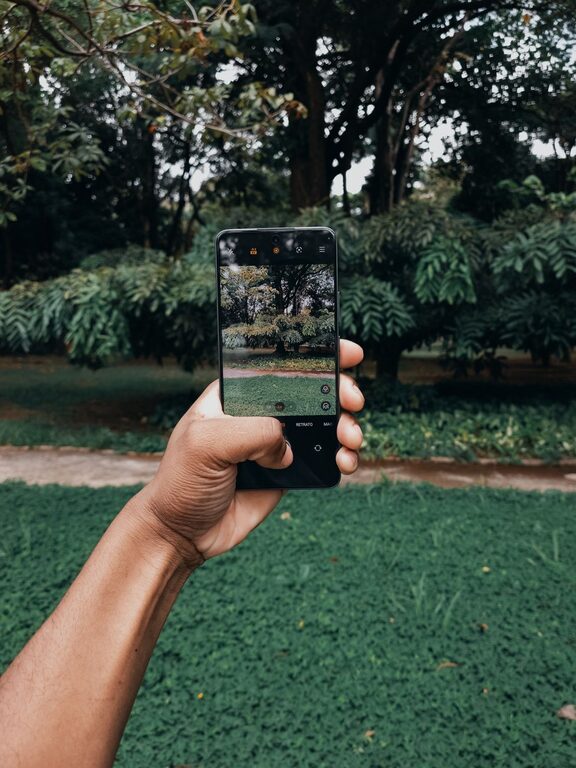
Taking great photos with your phone is easier than you might think. With the right techniques and a little practice, you can capture beautiful images that stand out. Whether you want to take amazing travel shots, memorable portraits, or creative snapshots, these beginner tips will help you make the most of your phone camera.
Understand Your Phone Camera Features
Before you start shooting, take some time to explore your phone’s camera settings and features. Most smartphones have various modes, filters, and manual controls that can help improve your photos.
– Resolution and quality settings: Set your camera to the highest resolution available for sharper images.
– Gridlines: Enable gridlines to help with composition using the rule of thirds.
– HDR mode: Use HDR (High Dynamic Range) to capture better detail in bright and dark areas.
– Exposure control: Learn how to adjust brightness by tapping and sliding on the screen.
Knowing what your phone camera can do will give you more control over your shots.
Focus on Composition
Composition is how you arrange elements in your photo. Good composition guides the viewer’s eye and makes photos more engaging.
Use the Rule of Thirds
Imagine your screen divided into nine equal parts by two vertical and two horizontal lines. Place your subject along these lines or at their intersections to create a balanced image.
Simplify the Scene
Remove distractions by focusing on a single subject or a small group of elements. A clean background helps your subject stand out.
Experiment with Angles and Perspectives
Don’t just shoot from eye level. Try different angles—get low, shoot from above, or find unique viewpoints to add interest and depth.
Take Advantage of Natural Light
Lighting is one of the most important factors in photography.
– Shoot in natural light whenever possible. Early morning and late afternoon provide soft, warm light known as the golden hour.
– Avoid harsh midday sun which can create strong shadows and highlights.
– Use shade to soften harsh light. If the sun is too bright, move your subject to a shaded area.
– Turn off your flash unless absolutely necessary, as it can produce unnatural colors and flat images.
Learning to see and use light effectively will dramatically improve your photos.
Keep Your Phone Steady
A blurry photo is frustrating, but you can avoid it with a few simple techniques:
– Hold your phone with both hands.
– Tuck your elbows close to your body for extra stability.
– Lean against a wall or table if possible.
– Use a phone tripod or stand for even steadier shots, especially in low light.
Steady hands mean sharper images.
Use the Camera’s Focus and Exposure Tools
Most phone cameras allow you to tap the screen to set focus and exposure.
– Tap on your main subject to ensure it’s sharp.
– After tapping, you often can slide your finger up or down to adjust brightness.
– Lock the focus and exposure when necessary to prevent your phone from refocusing or changing brightness automatically during the shot.
This gives you greater control over how your photo looks.
Edit Your Photos
Editing can enhance your photos and fix small issues.
– Use simple, user-friendly apps like Snapseed, Lightroom Mobile, or VSCO.
– Adjust brightness, contrast, and saturation to make colors pop.
– Crop to improve composition or remove distractions.
– Avoid over-editing, which can make photos look unnatural.
Editing lets you polish your images and bring out their best qualities.
Practice Regularly and Review Your Photos
The best way to improve is by practicing frequently. Take photos of different subjects, lighting conditions, and compositions. Review your shots to see what worked and what didn’t.
– Don’t be afraid to take many photos—digital photography lets you experiment without cost.
– Learn from mistakes and try new techniques.
– Share your photos with friends or online communities to get feedback and inspiration.
With consistent practice, your skills will grow quickly.
Final Thoughts
Taking better phone photos is all about understanding your camera, paying attention to composition and light, keeping steady, and practicing regularly. Remember, the best camera is the one you have with you. By using these beginner tips, you’ll be able to capture more beautiful and meaningful images every day. Happy shooting!
About the Author