Planning meals from pantry staples is a smart way to save time, reduce food waste, and whip up tasty dishes even when fresh ingredients are scarce. Your pantry likely holds a variety of versatile ingredients that, when combined thoughtfully, can turn into fulfilling meals. In this post, we’ll explore strategies to make the most of your pantry staples and simplify your weekly meal planning.
Why Plan Meals from Pantry Staples?
Using pantry staples as the foundation for meal planning offers several benefits:
– Convenience: Pantry items have long shelf lives, making it easy to prepare meals without last-minute grocery trips.
– Cost-effective: Buying staples in bulk and reducing reliance on fresh produce can save money.
– Reduced food waste: Using what you already have helps prevent food from spoiling.
– Flexibility: Pantry staples can be combined in many ways to create diverse meals.
Assess Your Pantry Inventory
Start by taking stock of what you have on hand. Common pantry staples include:
– Canned goods: beans, tomatoes, vegetables, tuna
– Dry goods: rice, pasta, lentils, oats, flour
– Spices and herbs
– Baking essentials: baking powder, yeast, sugar
– Cooking oils and vinegars
– Broths or bouillon cubes
– Nut butters and canned coconut milk
Make a list or use an app to track your staples. Group similar items to get a clear picture of your options.
Build a Meal Framework
Once you know what’s available, think about the components of a balanced meal:
– Protein: Beans, lentils, canned tuna, nut butters
– Carbohydrates: Rice, pasta, potatoes, oats
– Vegetables: Canned or frozen veggies, canned tomatoes
– Flavor: Spices, herbs, oils, sauces
Aim to include items from multiple categories in each meal for nutrition and taste.
Create Simple Meal Ideas from Pantry Staples
Here are some easy meal ideas you can make using common pantry ingredients:
1. Pasta with Tomato and Beans
– Cook pasta (any shape)
– Sauté canned tomatoes with garlic and herbs
– Add canned beans for protein
– Season with salt, pepper, and chili flakes
2. Lentil Soup
– Simmer lentils with broth, canned vegetables, and spices
– Add rice or pasta for more substance
– Finish with a splash of vinegar or lemon juice for brightness
3. Rice and Bean Bowl
– Cook rice and heat canned beans
– Mix in canned corn or salsa if available
– Top with a drizzle of olive oil and chopped herbs
4. Tuna Salad Wrap
– Mix canned tuna with mayonnaise or olive oil
– Add canned peas or beans for fiber
– Wrap in flatbread or serve on toast
5. Oatmeal with Nut Butter and Fruit
– Cook oats with water or milk
– Stir in nut butter and a spoonful of jam or canned fruit
Use Pantry Staples to Enhance Fresh Ingredients
If you have a few fresh ingredients like vegetables or eggs, pantry staples can help stretch them further:
– Add canned beans to a fresh salad
– Cook rice as a base for stir-fried fresh vegetables
– Use broth and herbs to make a quick soup with leftover veggies
Tips for Effective Pantry Meal Planning
– Plan weekly: Set aside a few minutes each week to plan meals based on pantry stock.
– Mix and match: Experiment with different combinations to keep meals interesting.
– Prep ahead: Cook grains or beans in bulk to save time during the week.
– Keep essentials stocked: Regularly replenish versatile staples like canned tomatoes, beans, and rice.
– Use spices wisely: A good spice mix can transform simple ingredients.
– Consider dietary needs: Adjust pantry items and recipes based on preferences or restrictions.
How to Store Pantry Staples for Longevity
To get the most out of your pantry staples, proper storage is essential:
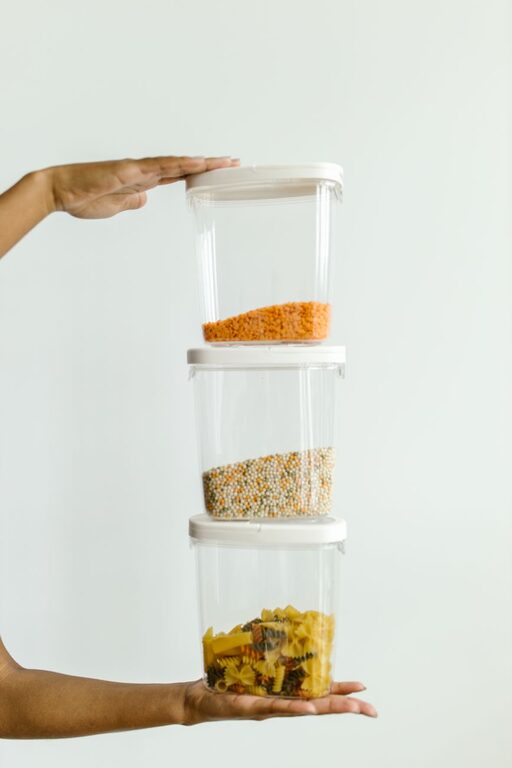
– Keep dry goods in airtight containers to prevent pests and moisture.
– Store canned items in a cool, dry place away from direct sunlight.
– Label items with purchase or expiration dates.
– Practice the “first in, first out” method to use older items first.
Conclusion
With a well-stocked pantry and a bit of planning, you can create nourishing, delicious meals even on busy days or tight budgets. Let your pantry staples inspire creativity and help you enjoy stress-free cooking. Start by assessing what you have, setting simple meal goals, and gradually experimenting with new combinations. Happy cooking!
About the Author