
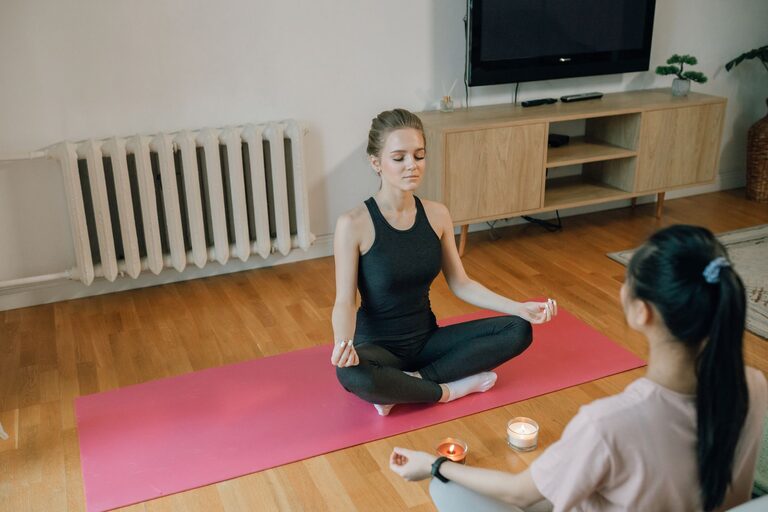
Taking mindful breathing breaks is a powerful yet simple way to reduce stress, improve focus, and increase overall well-being. Whether you are new to mindfulness or looking to establish a calming routine, incorporating short breathing exercises into your day can make a meaningful difference. This guide offers beginner-friendly tips to help you start and enjoy mindful breathing breaks effectively.
What Is Mindful Breathing?
Mindful breathing is the practice of paying deliberate attention to your breath—observing each inhale and exhale without trying to change it. It helps anchor your mind in the present moment, easing worries and distractions. Unlike deep breathing exercises that may focus on altering breath patterns, mindful breathing encourages gentle awareness, making it accessible for beginners.
Benefits of Mindful Breathing Breaks
Taking just a few minutes for mindful breathing throughout your day can:
– Lower stress and anxiety levels
– Enhance mental clarity and concentration
– Improve emotional regulation
– Promote relaxation and calmness
– Support better sleep quality
Breathing breaks are easy to fit into any schedule and require no special equipment, making them a practical wellness tool.
How to Prepare for a Mindful Breathing Break
Before starting your mindful breathing session, consider these preparation tips to create a comfortable environment:
– Choose a quiet space. Find a spot where you won’t be disturbed for a few minutes.
– Sit comfortably. Use a chair or cushion that supports good posture without strain.
– Set a timer. Start with 3 to 5 minutes and gradually increase as you feel comfortable.
– Turn off distractions. Silence notifications on your phone or computer.
Step-by-Step Guide to Mindful Breathing for Beginners
Follow these simple steps to begin your mindful breathing breaks:
1. Get Comfortable
Sit or lie down in a relaxed position. Close your eyes if you feel comfortable, or softly gaze downward.
2. Bring Attention to Your Breath
Focus your awareness on the natural rhythm of your breath. Notice the feeling of air entering your nostrils, filling your lungs, and flowing out again.
3. Observe Without Judgment
If your mind wanders (which is completely normal), gently guide your focus back to the breath without frustration or self-criticism.
4. Breathe Naturally
Don’t try to change your breathing pattern. Just observe its natural flow, allowing each inhale and exhale to be as it is.
5. End Gently
When your timer goes off, slowly bring your attention back to your surroundings. Open your eyes if closed, and take a moment to notice how you feel.
Tips to Make Mindful Breathing Breaks a Habit
Creating a lasting mindful breathing practice can be simple with the right habits:
– Schedule regular breaks. Set reminders to pause multiple times a day, especially during stressful moments.
– Start small. Even 1-2 minutes of mindful breathing can help build consistency.
– Use guided apps. Apps like Calm, Headspace, or Insight Timer offer beginner-friendly breathing exercises.
– Pair with daily routines. Breathe mindfully while waiting in line, during a work break, or before meals.
– Be patient. Mindfulness is a skill that develops over time with gentle persistence.
Common Questions from Beginners
Can I do mindful breathing while walking?
Yes! You can practice mindful breathing during slow, deliberate walks by focusing on your breath and the sensations of your steps.
What if I feel lightheaded?
If you feel dizzy, return to your normal breathing and sit quietly until it passes. Mindful breathing is about observation, not forcing deep breaths.
Is mindful breathing a form of meditation?
Mindful breathing is a foundational meditation technique and can serve as a simple entry point into mindfulness meditation.
Final Thoughts
Incorporating mindful breathing breaks into your day is an easy and effective way to support your mental and emotional well-being. By dedicating just a few moments to gentle breath awareness, you can refresh your mind, reduce tension, and bring more calm into your daily life. Start small, be consistent, and enjoy the benefits this simple practice offers.
Remember, the key to success is kindness toward yourself as you learn to breathe mindfully. Happy breathing!
About the Author